For over a century, Kabarole Hospital C.O.U has stood as a beacon of healing and hope in Western Uganda. Its story is one of extraordinary faith, resilience, and an unwavering commitment to the holistic well-being of the communities it serves. From its humble beginnings as a small mud-and-wattle clinic to its current status as a cornerstone of the regional healthcare system, the hospital’s journey mirrors the evolution of modern medicine in Uganda. This is the history of an institution dedicated to its mission: “To improve life, promote health in spirit, body and soul.”
The seeds of Kabarole Hospital C.O.U were sown not in Uganda, but on the coast of Mombasa. In 1896, a party of Church Missionary Society (CMS) missionaries, including the young Dr. Albert Ruskin Cook, embarked on an arduous 850-mile, three-month march inland. Dr. Cook’s arrival in Mengo in 1897 marked the beginning of organized medical missionary work in the region.
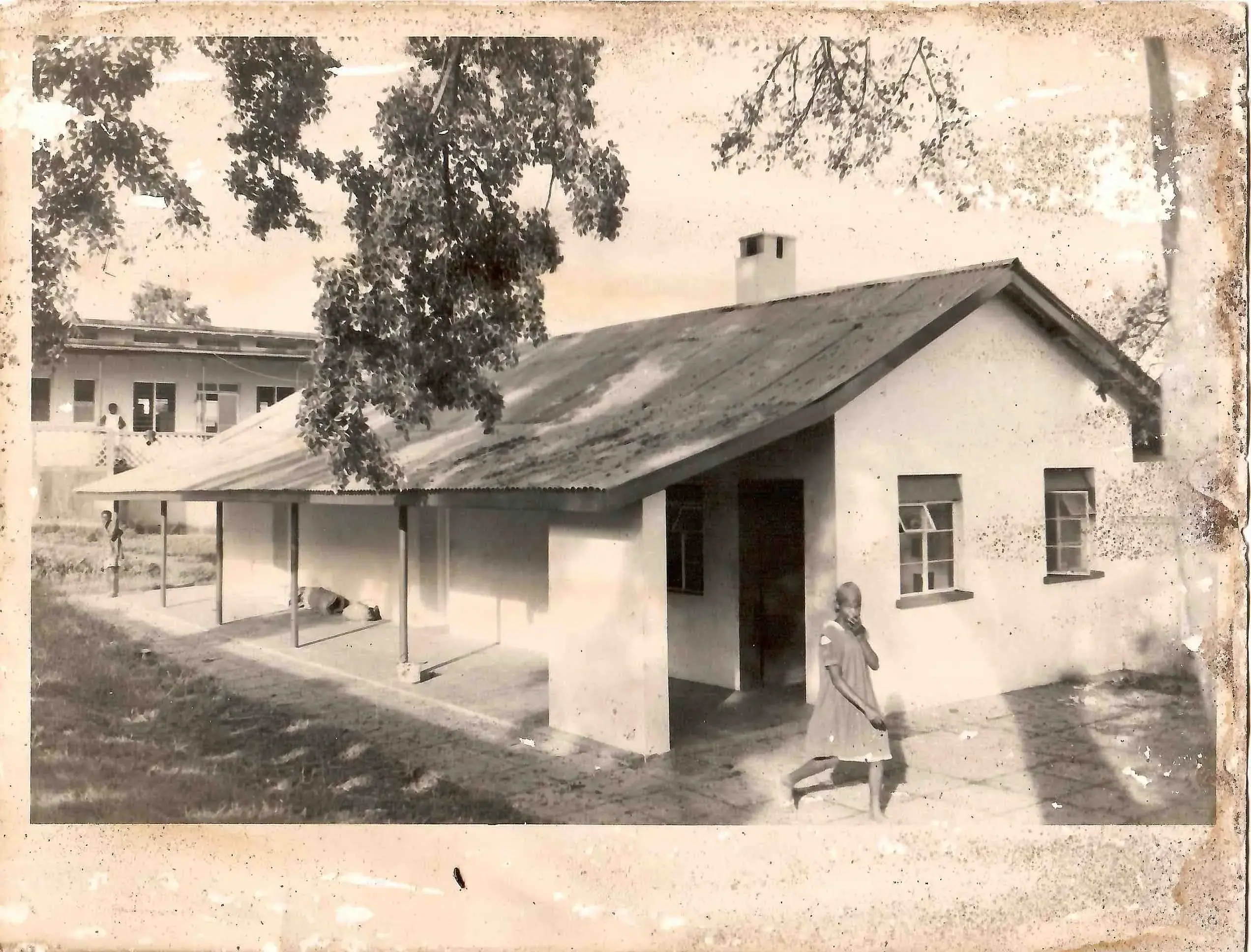
In 1898, Dr. Cook accompanied Bishop Alfred Tucker to the Kingdom of Tooro. Witnessing the profound need for medical services firsthand, they resolved to establish a mission. Answering this call, Dr. Ashton Bond arrived in late 1902. By 1903, through the efforts of local teachers who accompanied the missionaries, the first Kabarole Hospital was established—a simple, grass-thatched mud and wattle structure. The hospital quickly gained the trust of the community, notably the Omukama (King) Kasagama, who underwent a minor procedure and became a vocal advocate for its services.
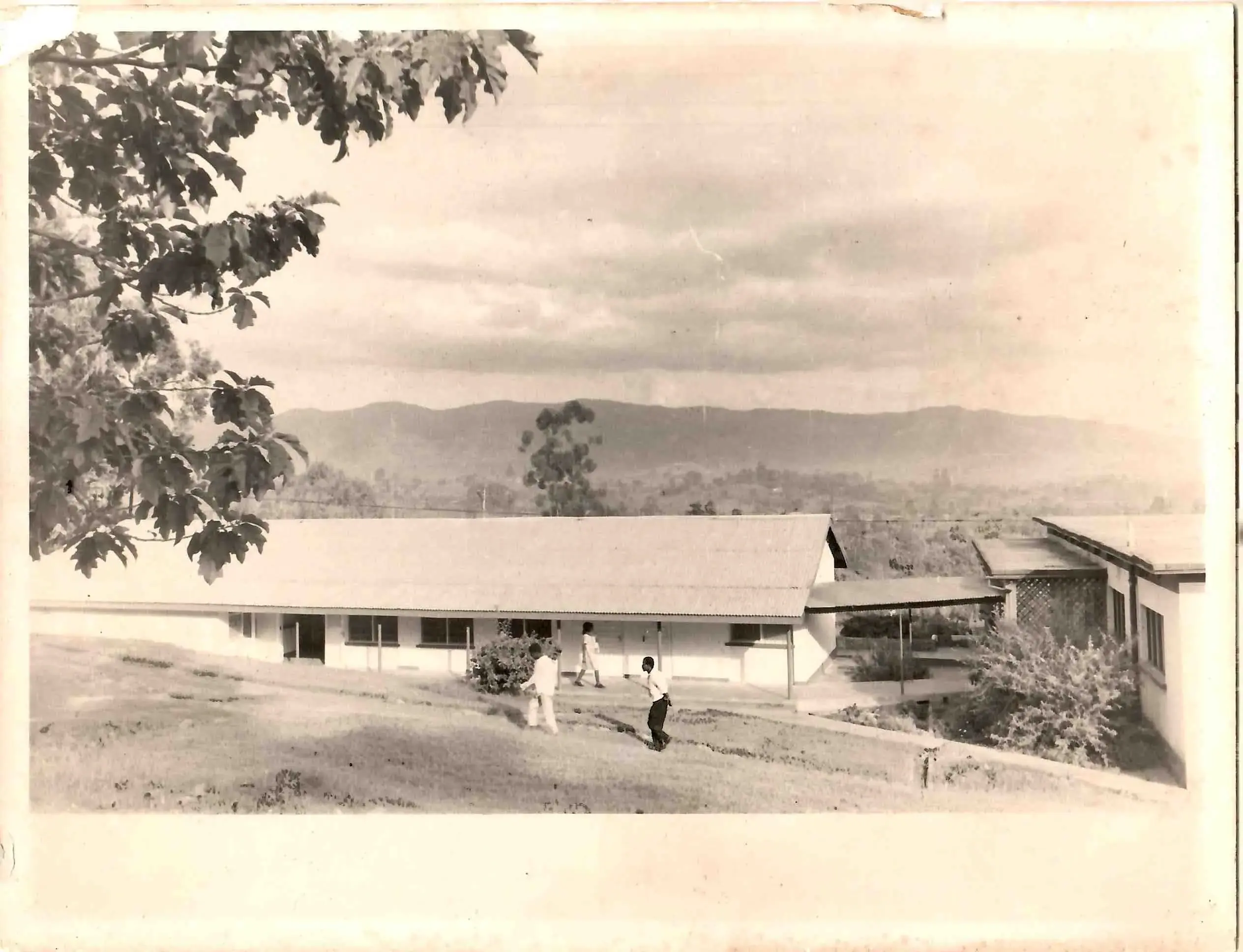
The period from 1909 to 1911 marked a significant physical transformation. Under the supervision of Rev. Harry Maddox, and with support from the local community and the Omukama, the hospital was rebuilt using permanent materials, replacing the original temporary structures.
The hospital flourished. By 1906, it was already caring for 25,000 outpatients a year. A succession of dedicated doctors, including Dr. A.T. Schofield and Dr. Hunter, steered the institution. Dr. Sagro led the hospital until World War II, when he and four nursing orderlies were called away to treat war casualties in Kenya.
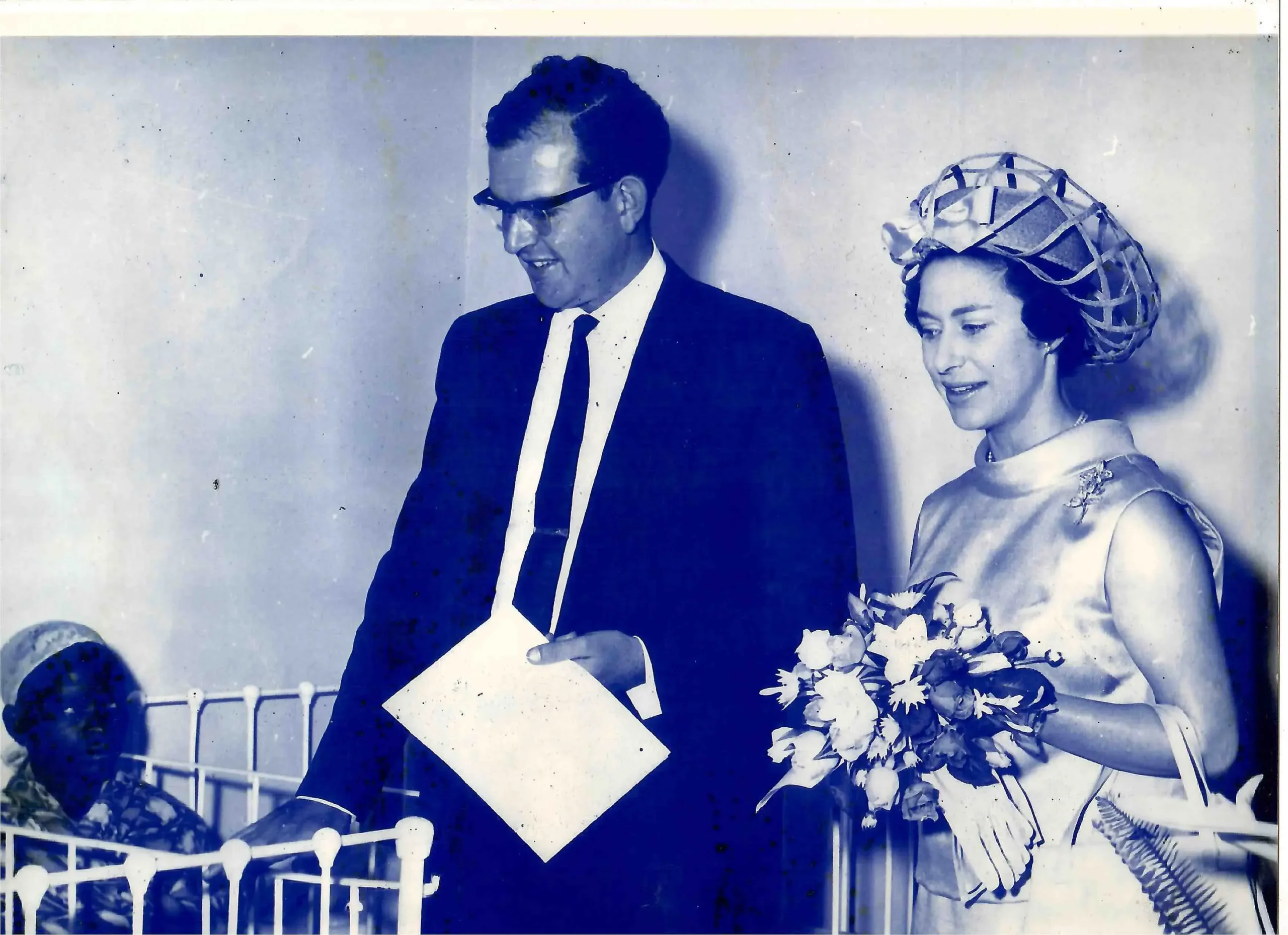
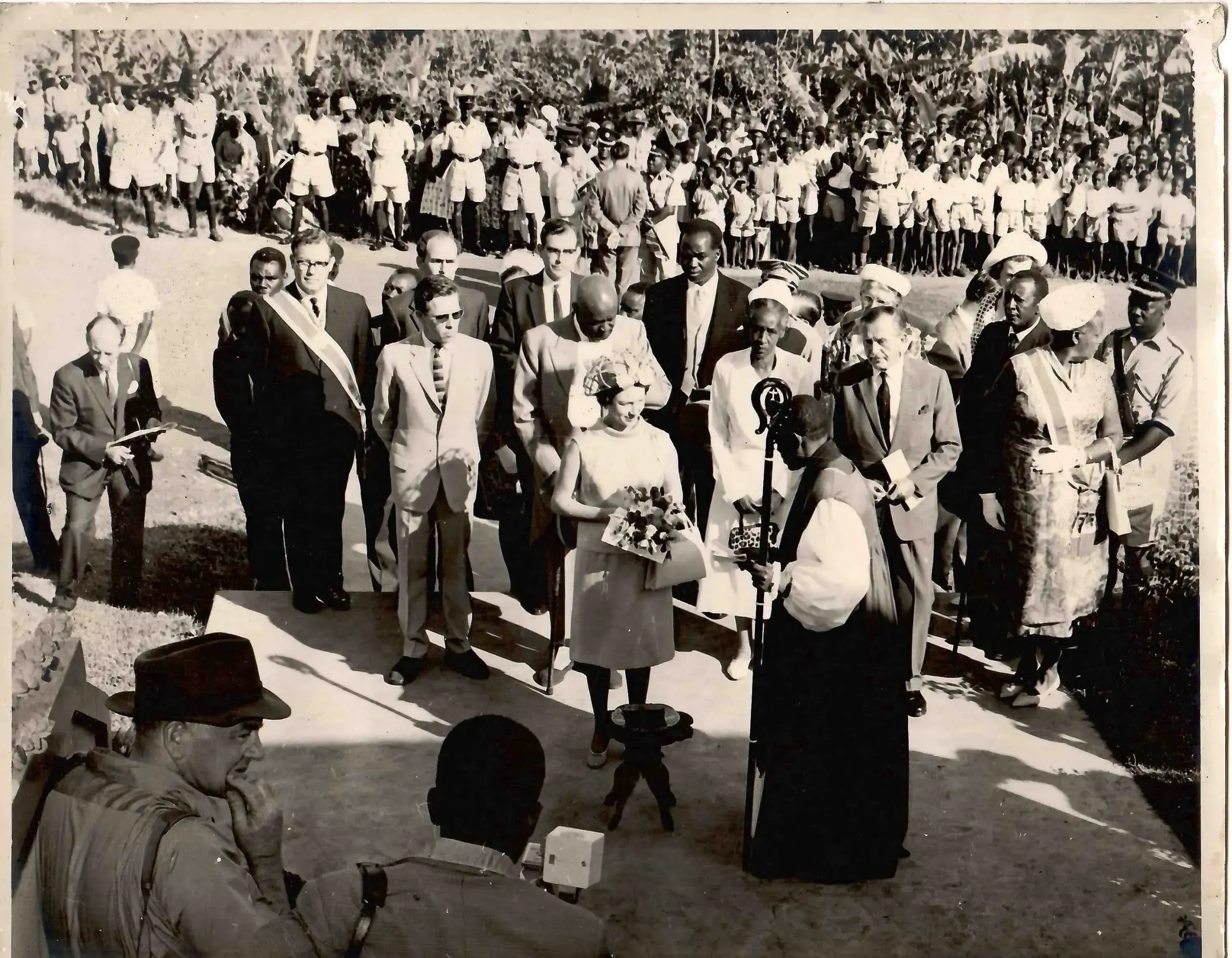
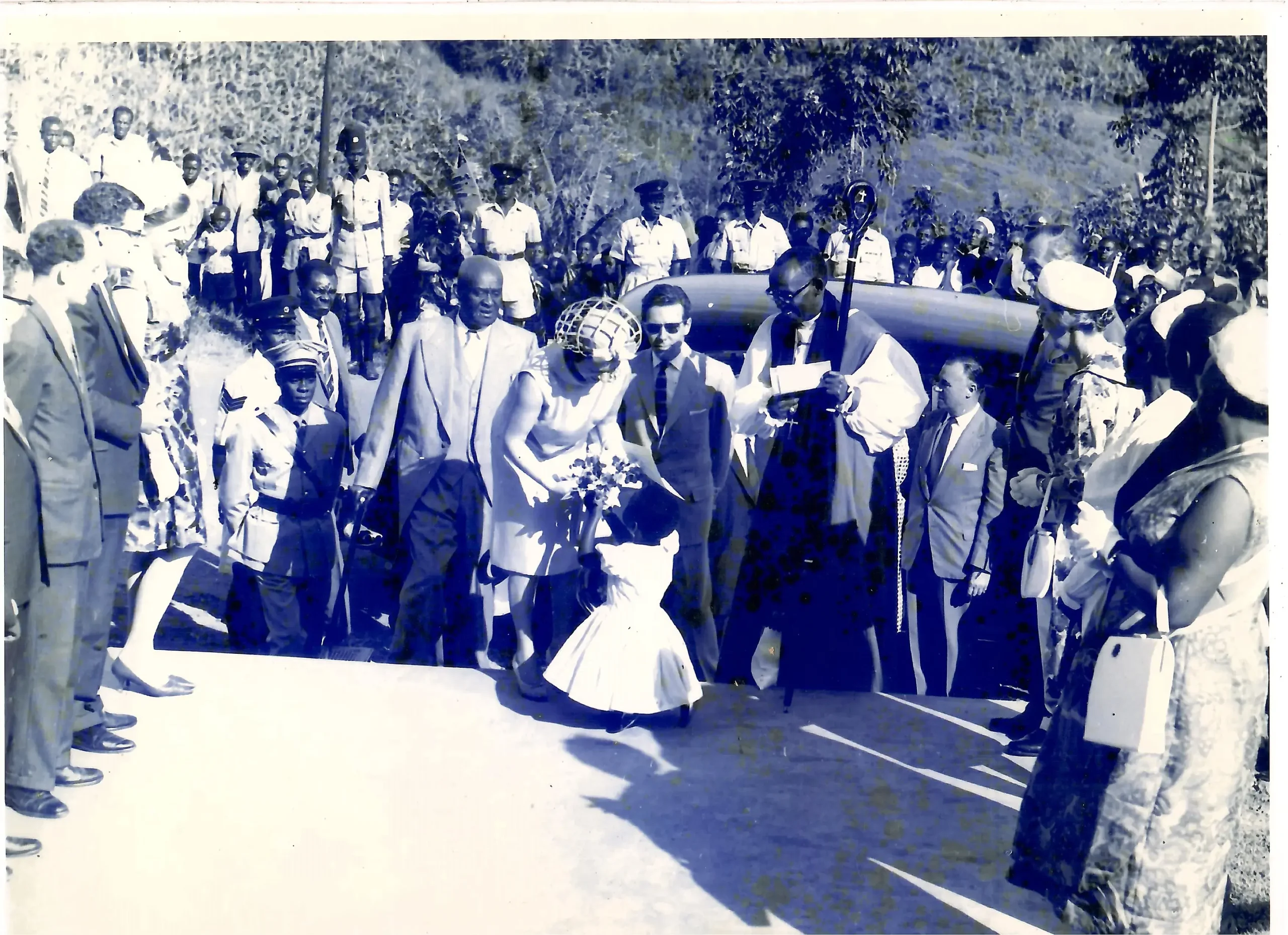
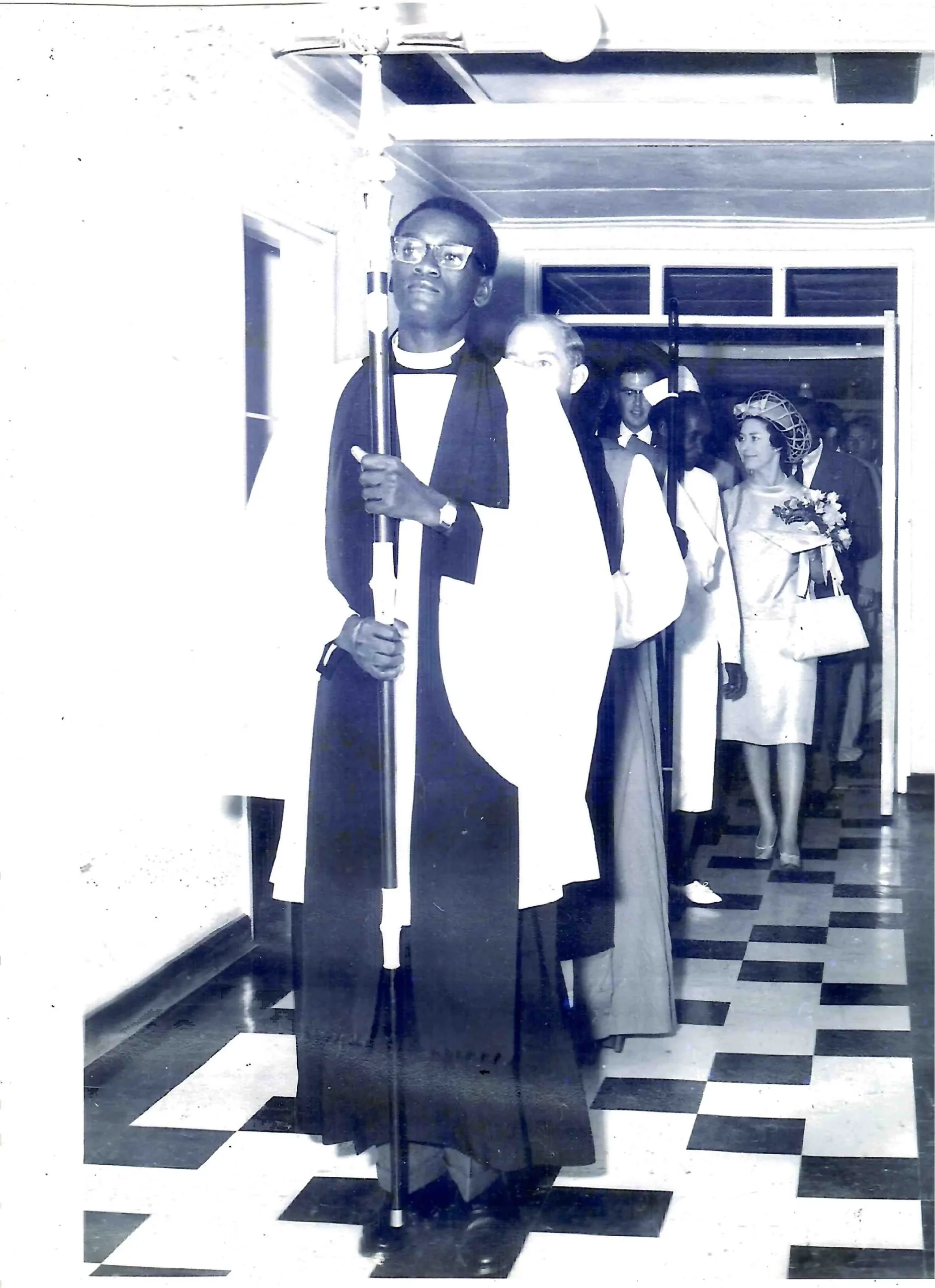
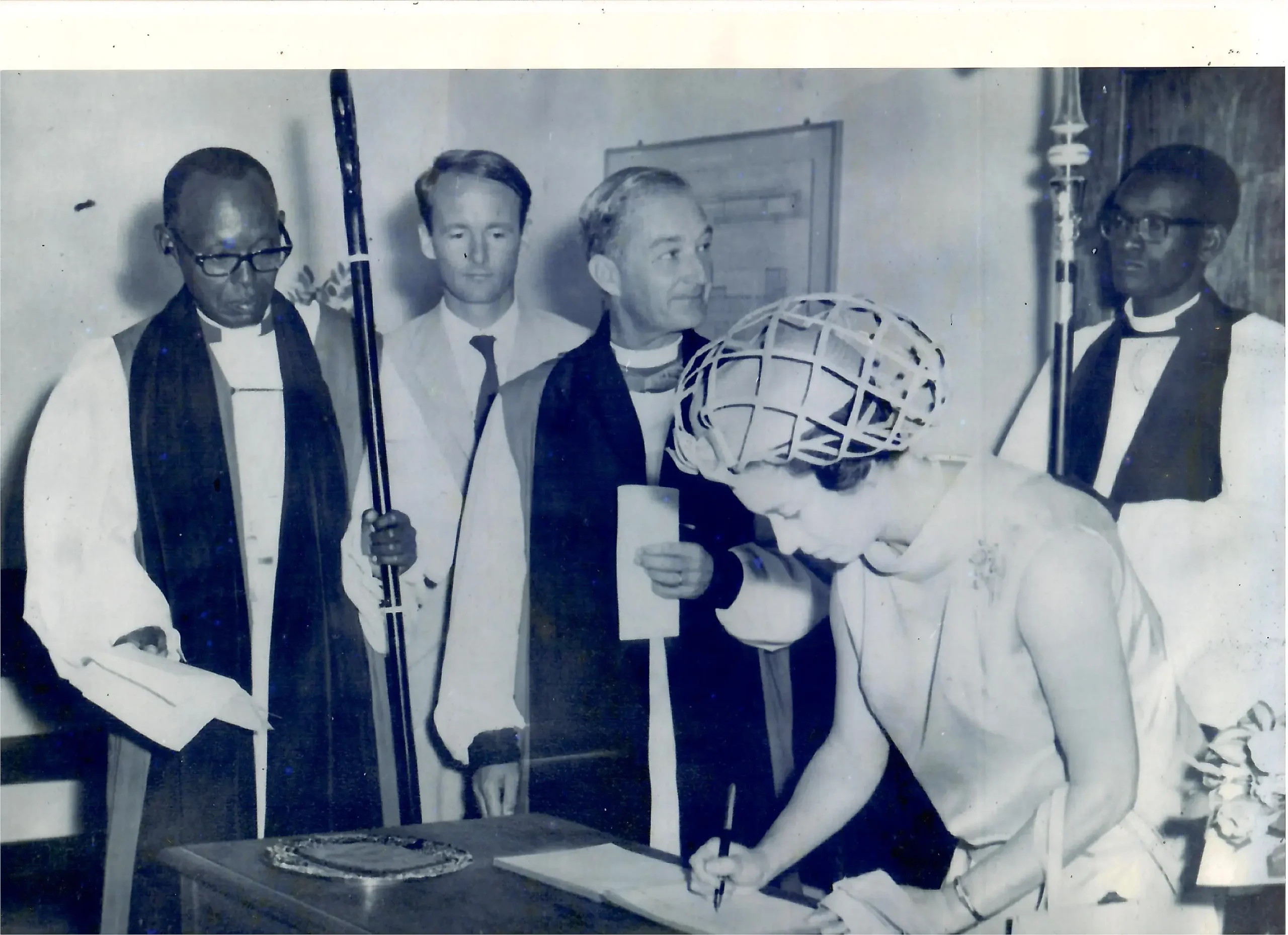
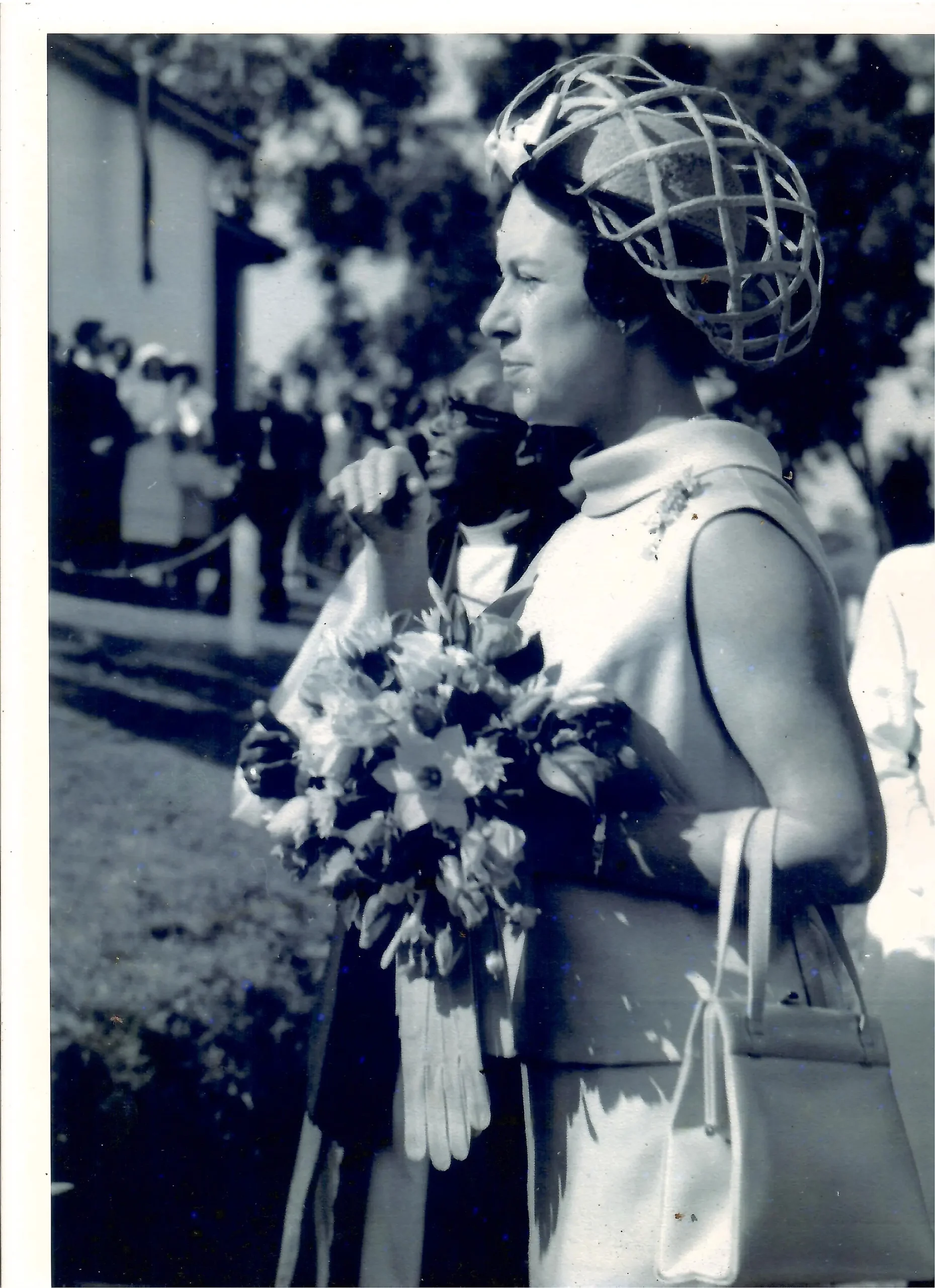
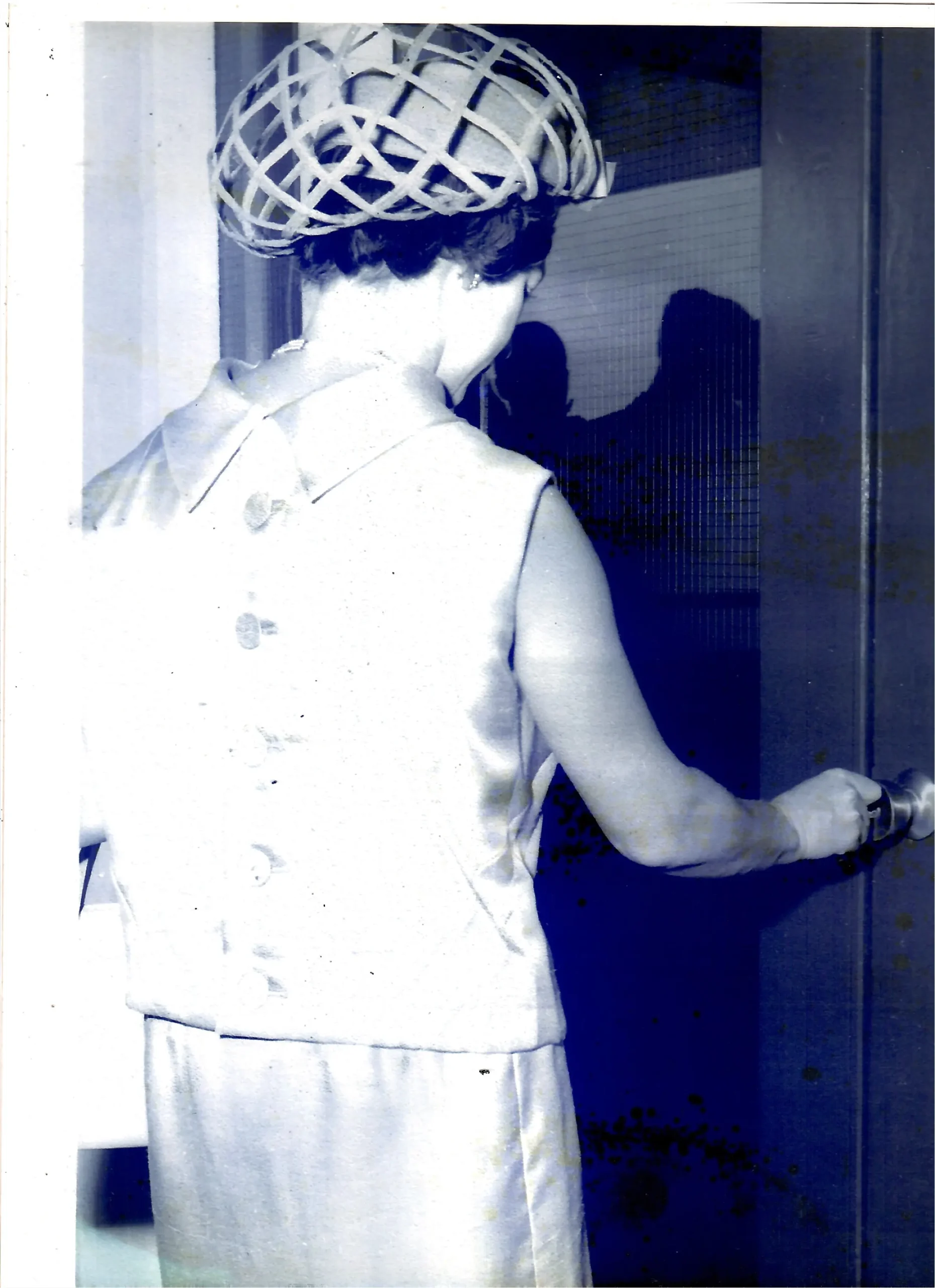
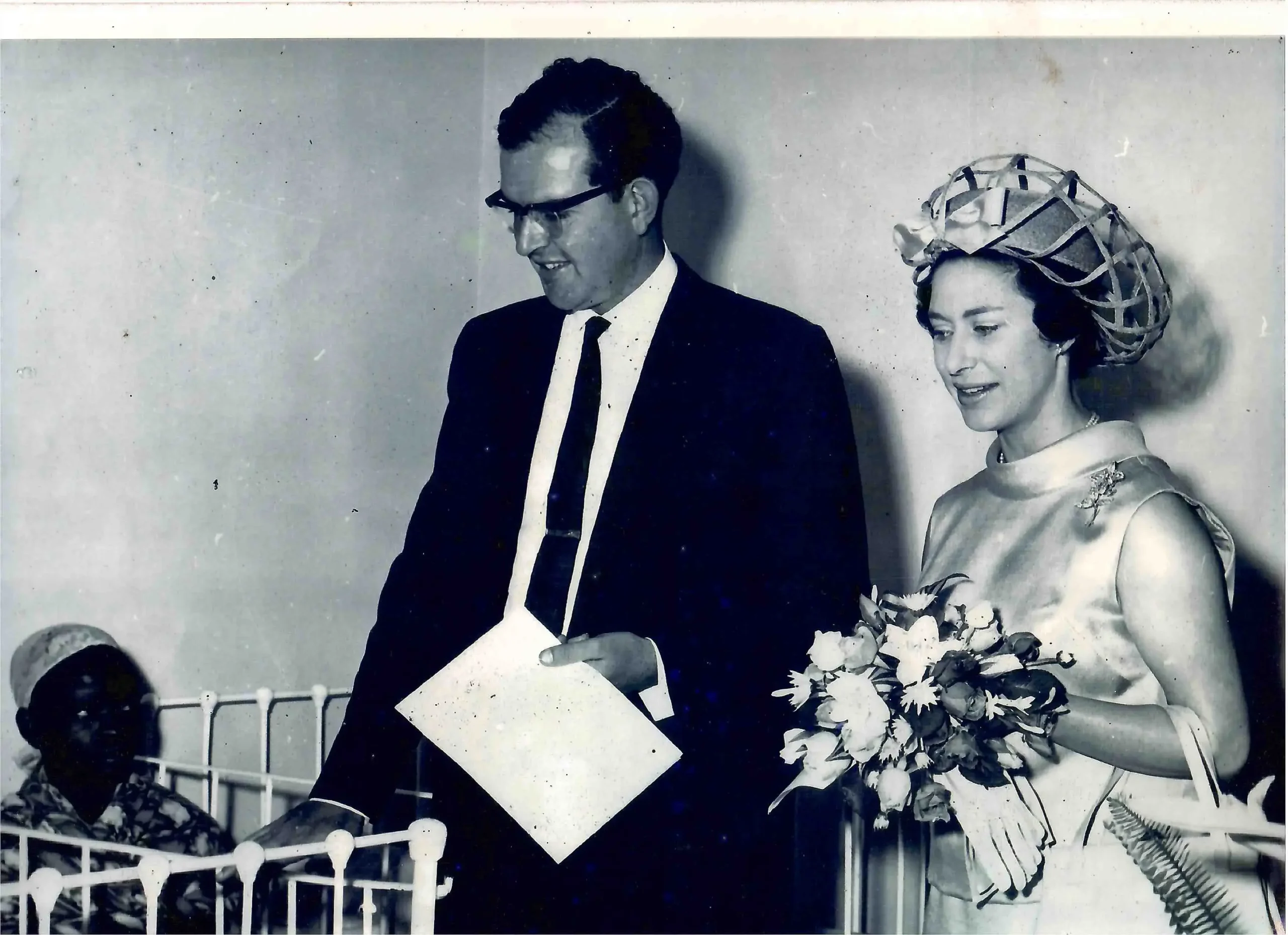
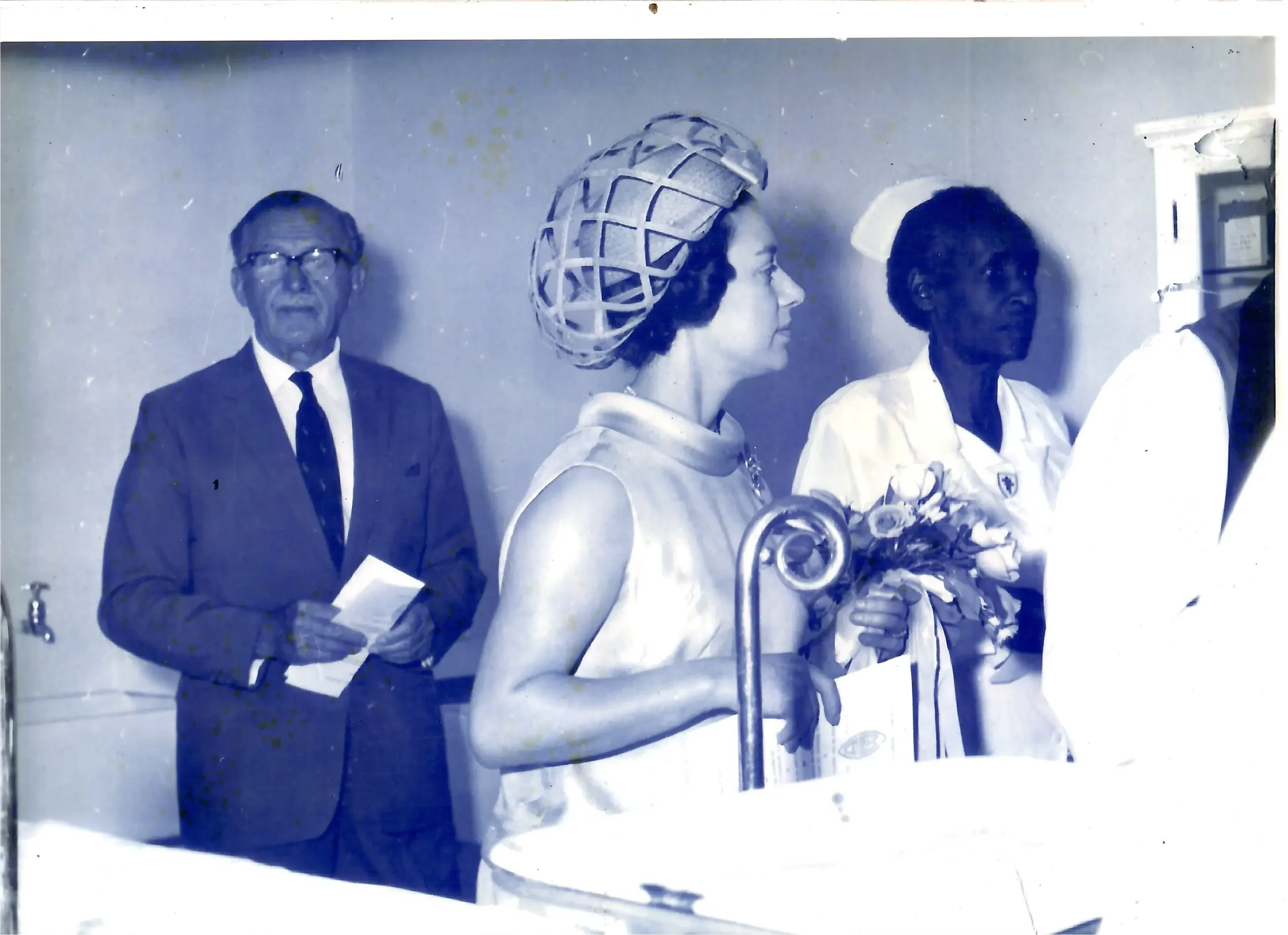
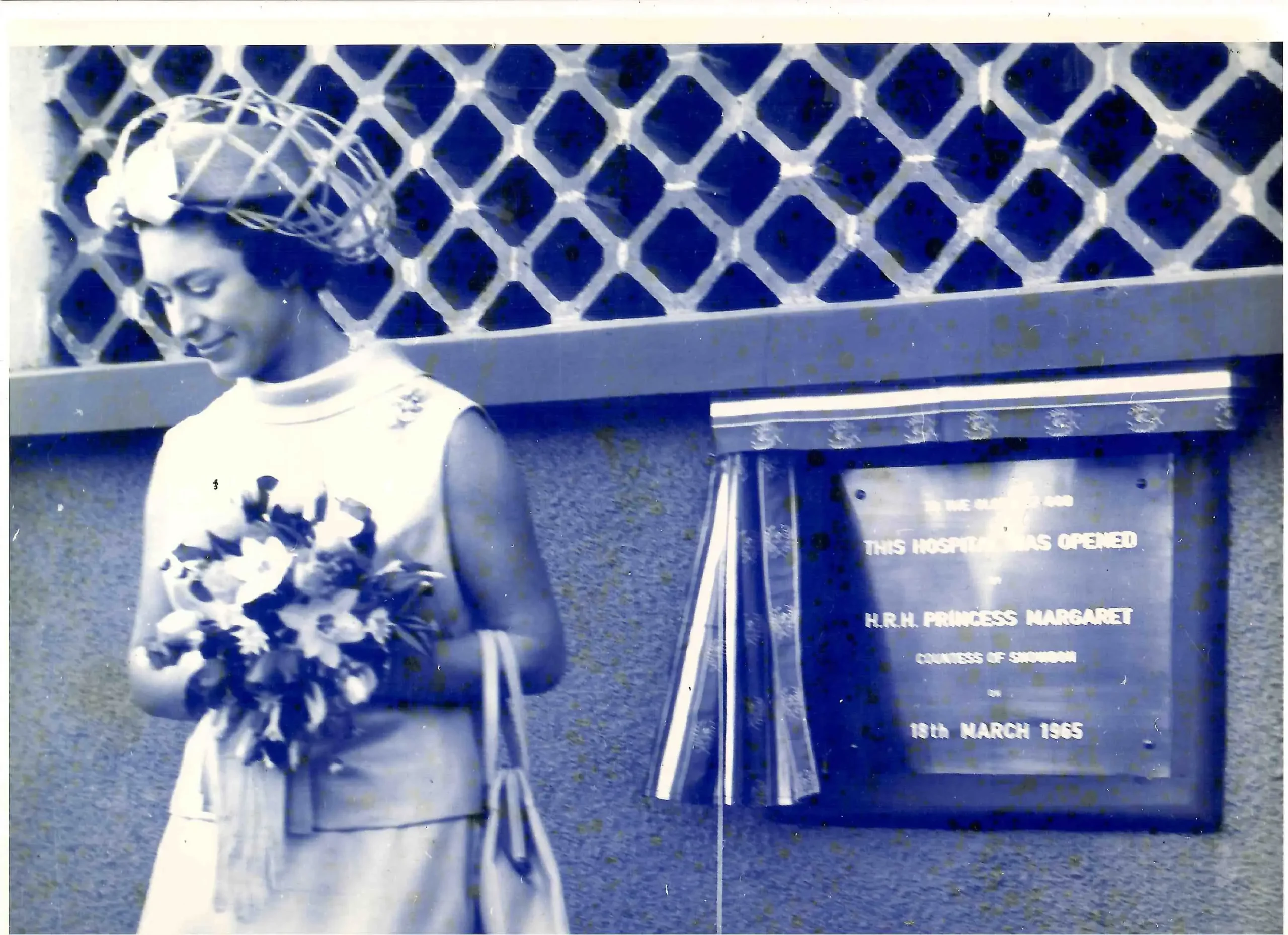
The mid-20th century presented severe challenges. By 1960, the hospital had effectively collapsed due to a lack of doctors and medicine. Its revival came through Mr. Joe Church, a construction worker from Rwanda, who, with the blessing of the Omukama and the Diocese, led a massive rehabilitation funded by a special royal tax and contributions from local parishes. The restored hospital was officially reopened in 1965 in a colorful ceremony attended by Her Royal Highness Princess Margaret, Countess of Snowdon.
Kabarole Hospital has continually adapted to meet community health needs. Initially, it provided general outpatient care and surgeries. It became a crucial health center for European administrators and Indian communities, complete with dedicated wards. The hospital was also a regional birthplace; the late Omukama Olimi Kaboyo and Princess Elizabeth Bagaya were born within its walls.
In the modern era, the hospital has developed a robust structure of clinical and community health programs. These include:
Core Clinical Services: Outpatient and inpatient care, laboratory, pharmacy, and major and minor surgery.
Community Health: Immunization, sexual and reproductive health, HIV/AIDS programs (including Voluntary Counseling and Testing and Home-Based Care), malaria control, and school health initiatives.
A significant recent focus has been the fight against HIV/AIDS, with plans to establish the IMPACT Centre (Initiatives for the Mitigation and Prevention of HIV/AIDS through Care and Training) to provide comprehensive care, including advanced diagnostics and antiretroviral therapy.
Kabarole Hospital is a Private Not-For-Profit (PNFP) institution owned by the Anglican Church of Uganda, Diocese of Ruwenzori. Day-to-day management is the responsibility of the Medical Superintendent, supported by the Hospital Administrator and Matron, who form the Core Management Committee (CMC).
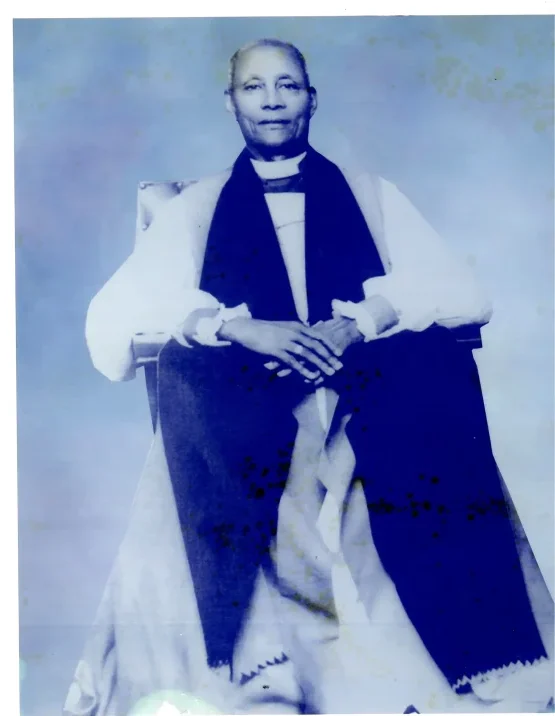
Strategic oversight is provided by the Hospital Management Committee (HMC). After a period of management challenges in the late 1990s, the Diocese repossessed the hospital in September 2001 under the leadership of Rt. Rev. Benezeri T. Kisembo. A new HMC was established, chaired by Hon. Beatrice B. Kiraso, the District Woman MP, with the Bishop as Deputy. This committee guided the development of a strategic plan (2003-2007) to reset the hospital’s mission and direction.
The hospital’s impact extends far beyond its walls. Its network of branch facilities in places like Rubona, Bunyangabu, and Kyakakyali-Kijura (though some later closed) brought healthcare closer to rural populations. The hospital has served a transnational community, attracting patients from the DRC, Rwanda, Tanzania, and Kenya in its early decades.
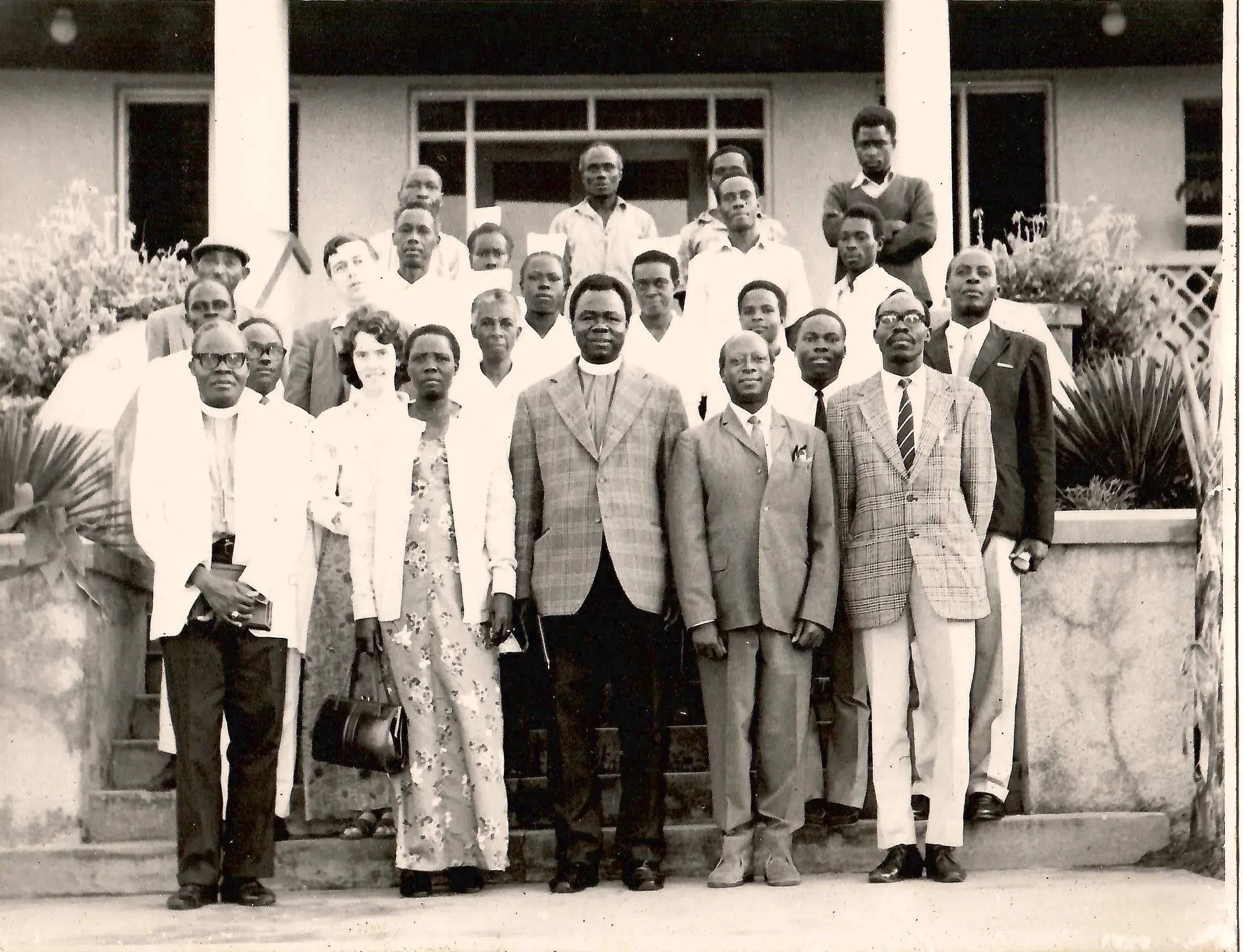
The staff, from the pioneering nursing orderlies like Mzee Yosamu Gafabusa to the teams running community outreach programs, have been the backbone of this service, often working under challenging conditions to uphold the hospital’s healing mission.
Following its repossession in 2001, Kabarole Hospital embarked on a deliberate path of recovery and modernization. Key achievements include:
The development and implementation of a clear strategic plan.
Establishment of a structured Community Health Department.
Acquisition of new equipment, such as an X-ray machine.
Implementation of standard management systems for human resources, procurement, and information technology, including the launch of a website and email communication.
The hospital’s future direction, as outlined in its strategic plan, focuses on sustainable health services, increased utilization, capacity building, and upholding its holistic mission. The planned IMPACT Centre exemplifies this forward-looking vision, aiming to provide state-of-the-art care for one of the region’s most pressing health challenges.
From the footsteps of Dr. Albert Cook to the digital systems of the 21st century, Kabarole Hospital’s 100-year journey is a powerful narrative of service. It is a story shaped by visionary founders, dedicated staff, supportive communities, and steadfast faith. As it moves into its second century, Kabarole Hospital C.O.U remains committed to its founding principle: to improve life and promote health in spirit, body, and soul for all whom it serves.